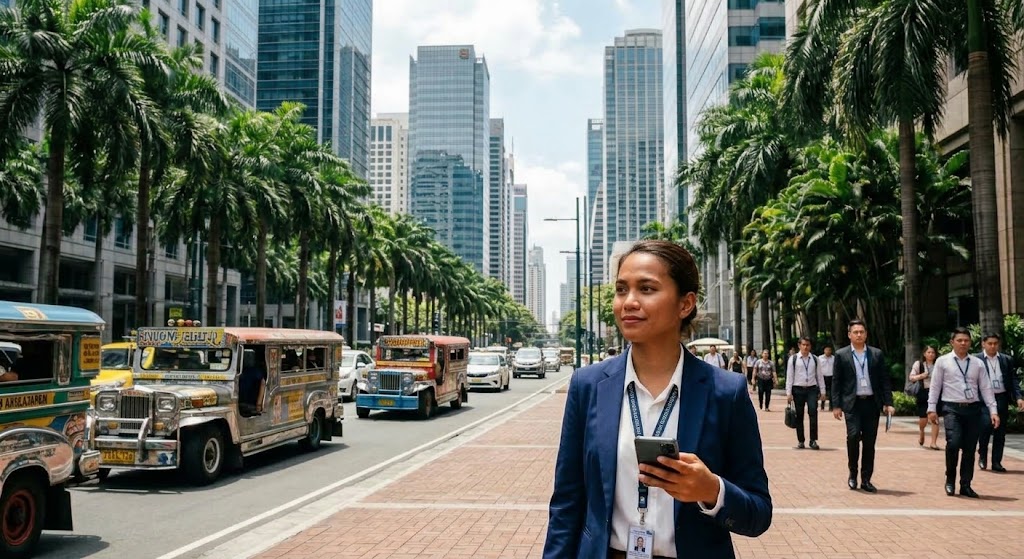
The Philippines has one of the more legally nuanced positions on retail forex trading of any major Southeast Asian market — not an outright ban, but also not a developed domestic licensing framework. This guide explains the SEC and BSP's specific roles, what current rules actually say, how this affects brokers and prop trading firms, and general tax considerations.
Two Regulators, Neither of Which Licenses Retail Forex Brokers Directly
The Securities and Exchange Commission (SEC) of the Philippines regulates securities and investment activities under the Securities Regulation Code (Republic Act 8799). Significantly, the SEC has — under Paragraph 4 of Rule II of the Amended Implementing Rules and Regulations of the Securities Regulation Code — suspended commodity futures contracts trading as a domestically licensed activity, and this suspension has been interpreted by the SEC and independent legal commentary to cover retail foreign exchange trading as well. In practical terms, this means the SEC does not currently issue licenses to local retail forex or CFD brokers.
The Bangko Sentral ng Pilipinas (BSP) regulates banks, foreign exchange dealers, and cross-border currency transactions under the New Central Bank Act. The BSP licenses foreign exchange/money changers and authorized dealer banks for currency exchange services, but this is distinct from — and should not be confused with — licensing for online retail forex/CFD trading brokers. The BSP does not license retail forex brokers either.
Together, this means neither regulator currently offers a path to a licensed domestic retail forex/CFD broker in the Philippines — a genuinely distinctive regulatory gap compared to markets with a dedicated framework (like Kenya's CMA-based system).
What This Means for Individual Filipino Traders
This is the nuance that matters most: the SEC's suspension and repeated advisories are aimed at unregistered platforms and unlicensed local operators soliciting Filipino investors — the SEC has specifically and repeatedly warned the public against unregistered investment schemes and platforms, often promoted through social media. Independent legal analysis consistently notes that neither the SEC nor the BSP have specifically ruled against individual Filipinos opening and trading through accounts with properly, internationally regulated offshore brokers (holding licenses such as the FCA, CySEC, or ASIC). This is a materially different situation from operating or marketing an unlicensed forex trading business locally, which is treated as illegal.
In practice, this is why the overwhelming majority of active Filipino forex and CFD traders use internationally regulated brokers rather than a domestic option — because a compliant domestic option doesn't currently exist. See our choosing the right broker guide for the due-diligence checklist that matters even more here, given the absence of local licensing as a trust signal.
How This Affects Brokers Serving Filipino Traders
Because there's no SEC license for brokers to obtain domestically, Filipino traders should evaluate brokers entirely on their international regulatory status (FCA, CySEC, ASIC, and similar) and reputation — there is no local license to check as an additional trust signal, unlike South Africa's FSCA or Kenya's CMA framework. This makes independent verification of a broker's actual international license — not just marketing claims — especially important for Filipino traders specifically.
How This Affects Prop Trading Firms
Prop trading firms generally operate outside SEC and BSP licensing frameworks entirely, since they typically offer evaluation-based access to simulated accounts rather than regulated brokerage or investment services directly. This mirrors how prop firms are treated globally (see our general guide to how prop trading works) and means the regulatory gap discussed above doesn't apply differently to prop firms than to any other market — reputation and payout track record remain the primary due-diligence factors.
Is Forex Trading Legal in the Philippines?
This requires a careful, non-absolute answer: individual forex/CFD trading through a properly, internationally regulated broker has not been specifically prohibited or acted against, and is widely and openly practiced. However, there is no domestic licensing regime for retail forex/CFD brokers, and operating or soliciting for an unlicensed forex trading business within the Philippines is illegal under existing securities regulation. If you're uncertain how this applies to your specific situation, consulting a Philippine securities or financial lawyer is worthwhile — this is a genuinely more legally nuanced area than in most of the other markets covered on this site.
General Tax Considerations
This is general educational information, not tax advice — always consult a Philippine tax practitioner for your specific situation. Several independent sources note that forex trading income is expected to be declared and may be subject to Philippine taxation, administered by the Bureau of Internal Revenue (BIR), though the specific treatment (as business/professional income versus another category) depends on the nature, frequency, and scale of a trader's activity, and public guidance specific to individual retail forex/CFD trading is less developed than in some other jurisdictions. Given both this and the broader regulatory nuance described above, confirming your specific obligations directly with a qualified Philippine tax practitioner is particularly worthwhile here.
Frequently Asked Questions
Can I get in legal trouble for trading forex as an individual in the Philippines?
Based on consistent independent analysis, individual trading through a properly, internationally regulated broker has not been specifically prohibited or acted against by the SEC or BSP. The legal risk is concentrated around operating or promoting unlicensed forex trading businesses locally, not individual account holders trading with legitimate offshore brokers — but given the nuance involved, consulting a Philippine legal professional for your specific situation is a reasonable precaution.
Why are there no SEC-licensed forex brokers in the Philippines?
The SEC has suspended commodity futures contracts trading — interpreted to include retail forex — as a domestically licensed activity under existing rules implementing the Securities Regulation Code, meaning it currently doesn't issue licenses for this specific activity to local firms.
Do I have to pay tax on forex trading profits in the Philippines?
Likely yes in principle, as forex trading income is generally expected to be declared under Philippine tax law, but the specific treatment depends on your trading pattern and circumstances, and public guidance here is less developed than in some other markets — consult a Philippine tax practitioner directly.
This content is for educational purposes only and does not constitute financial, tax, or legal advice. The Philippines' regulatory treatment of forex and CFD trading involves genuine legal nuance that this page simplifies for educational purposes — always verify current guidance directly with the SEC, BSP, or a qualified Philippine legal and tax professional before making decisions.